THE SOURCE
Tyres take over
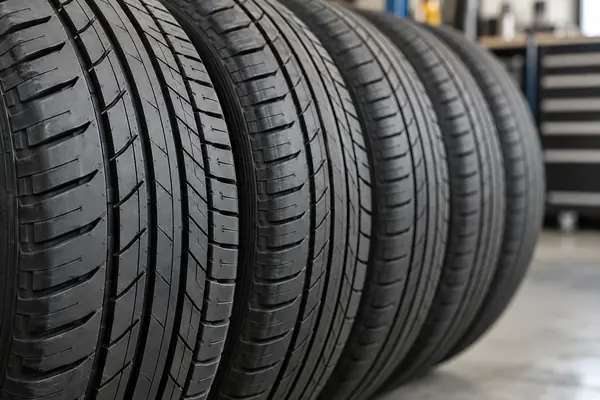
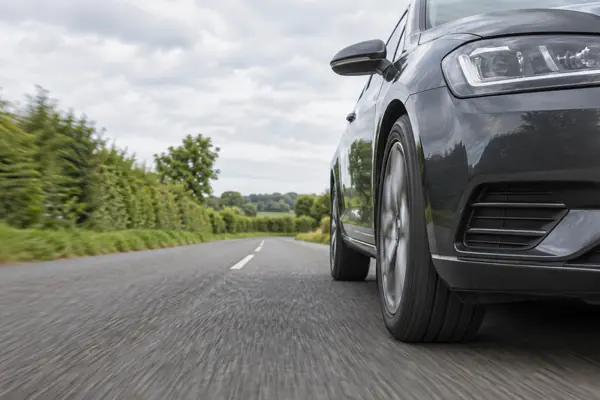
Calculations for European traffic show that above 50 km/h over 80% of a car's noise comes from the tyres, not the engine, exhaust or fans.
Check a vehicle soundproofcar
WHERE CAR NOISE COMES FROM
At speed, the engine is not the loud part.
Check a vehicle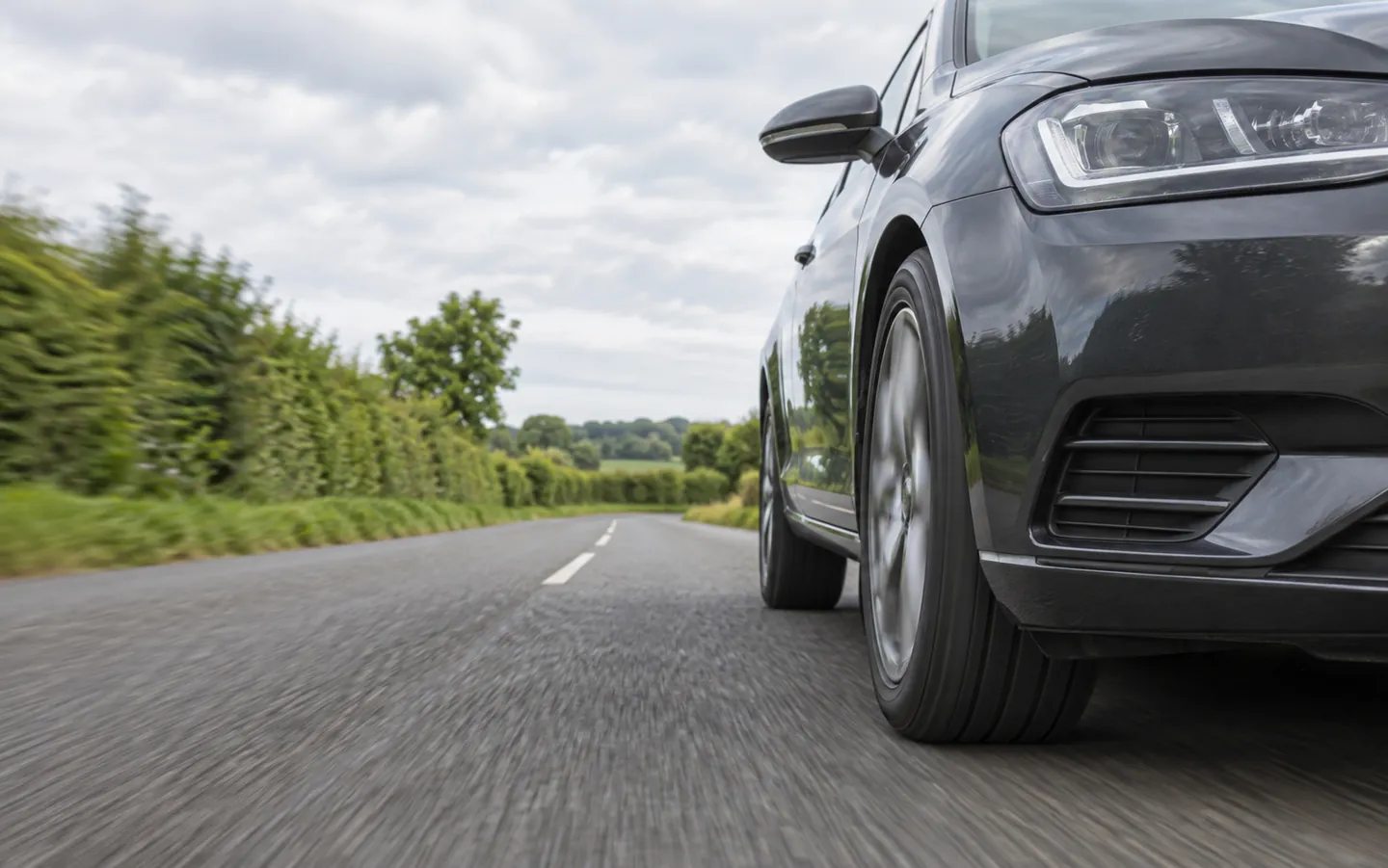
80%+from tyres above 50 km/h
Research on European traffic finds that above 50 km/h most of a car's noise comes from the tyres rolling on the road. That is why tyres carry a noise label, and why quiet electric cars must add a sound at low speed.
At a glance
> 80%
Car noise from tyres above 50 km/h
Over 80 percent of car noise energy above 50 km/h comes from tyres, according to calculations cited by the Swedish National Road and Transport Research Institute.
TYRE SHARE · VTI
68 dB(A)
Phase 3 limit for most cars
The vehicle sound regulation on legislation.gov.uk sets 68 dB(A) for most passenger cars in phase 3, for new types from July 2024 and first registration from July 2026, down from 72 in phase 1.
NEW CARS · REG. 540/2014
TWO NUMBERS WORTH KNOWING
One figure on where noise comes from,
one on what new cars may emit.
Sandberg also reports that some tyre labels are less precise than they look: whole tyre families can carry the value of the noisiest tyre, though some members may be up to 6 dB quieter.
A QUICK NOISE CHECK
Pick a vehicle and speed to see how much of its noise research attributes to tyres on the road. The bar shows the tyres' share.
Based on a lay-language paper by Ulf Sandberg of the Swedish National Road and Transport Research Institute, citing calculations for typical Swiss traffic.
THE SHORT ANSWER
Engines matter at low speed.
Above town speeds, the tyres take over.
THE SOURCE
Calculations for European traffic show that above 50 km/h over 80% of a car's noise comes from the tyres, not the engine, exhaust or fans.
Check a vehicleTHE LABEL
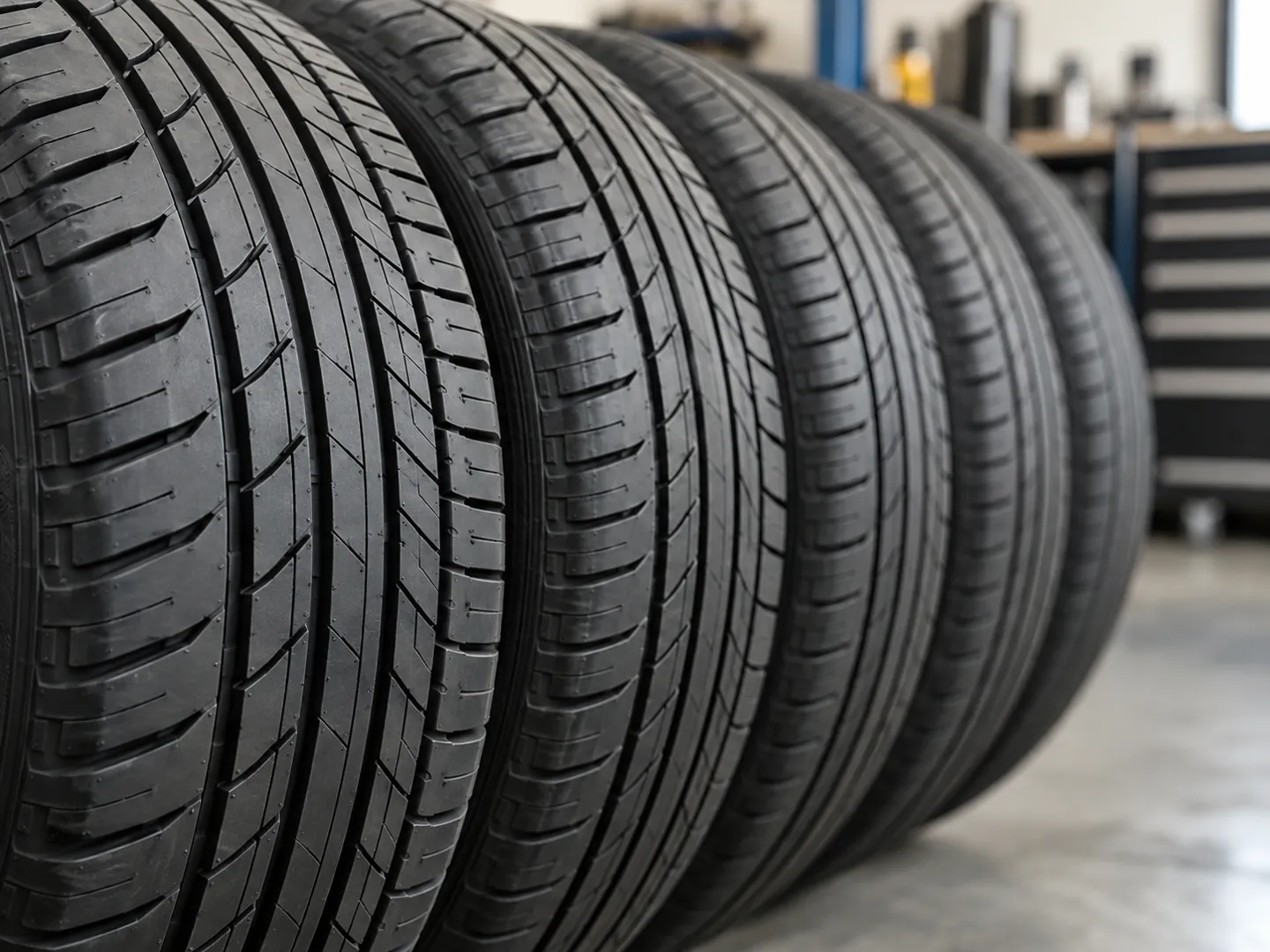
Tyres sold in the UK carry a label showing external rolling noise in decibels. It is the noise outside the car, not what you hear inside.
Read the labelTHE QUIET CARS
Since 1 July 2021, new electric and hybrid vehicles registered in the UK need an acoustic vehicle alerting system that sounds up to about 20 km/h.
Why it matters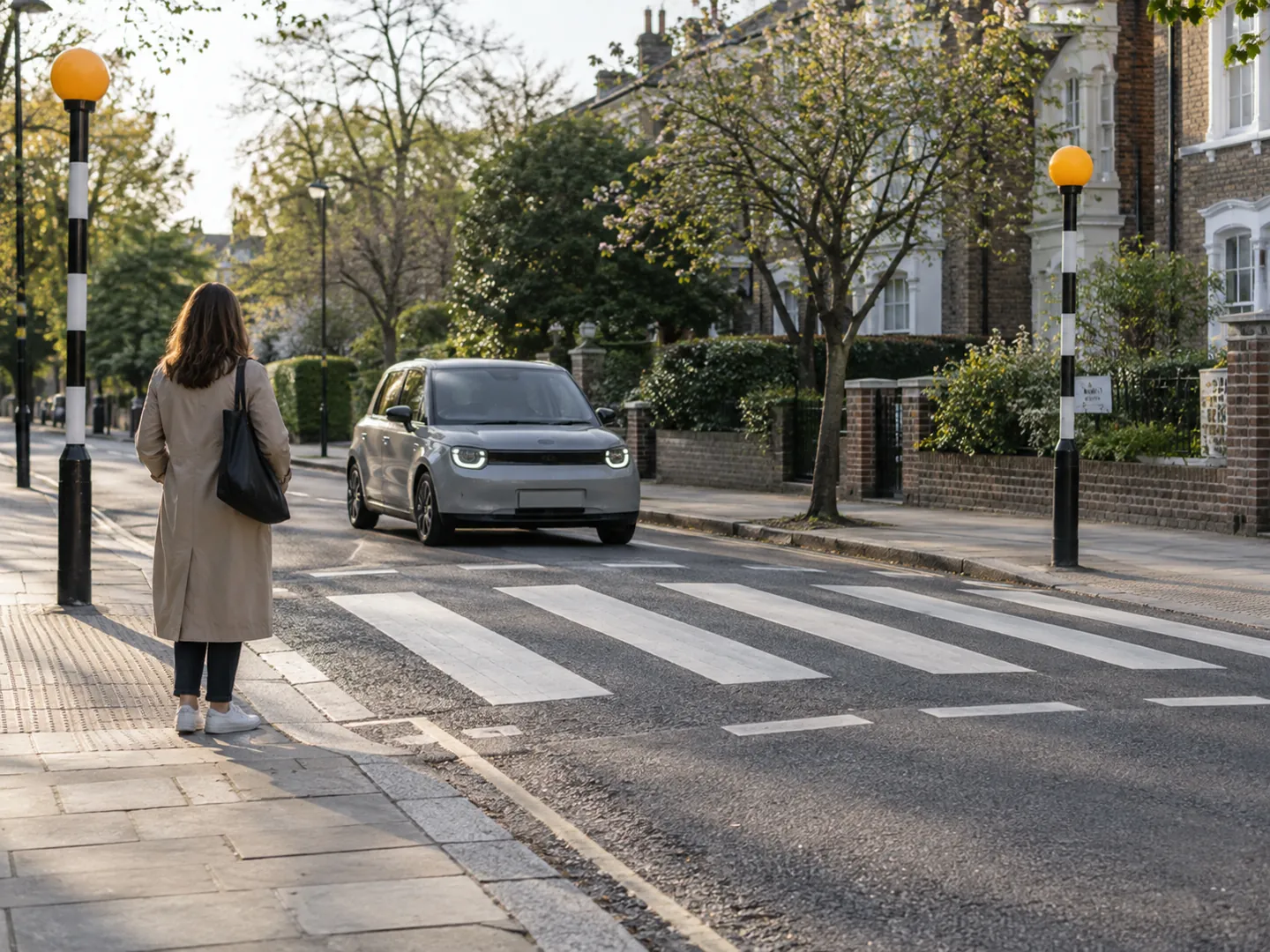
FOUR THINGS TO KNOW
Tyre labels cover fuel efficiency, wet grip and noise. Here is how to read the noise part sensibly.
The label shows the tyre's external rolling noise in decibels. Lower means less noise added to the street.
DVSA guidance says the figure is the noise outside the car, not tyre noise heard inside the vehicle.
The same label grades wet grip, which DVSA calls an important safety characteristic. Do not trade it away for a quieter number.
Research suggests family labelling can hide differences of up to 6 dB, so a one or two decibel gap may not be meaningful.
WHY ELECTRIC CARS HUM
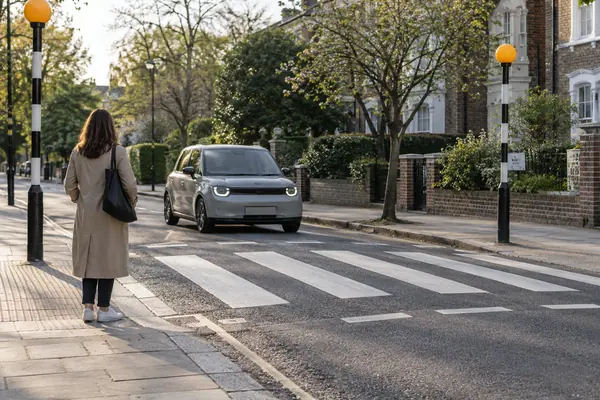
Electric and hybrid vehicles can be virtually silent at low speed. RNIB says that since 1 July 2021 all new ones registered in the UK must have a sound generator, which matters most to blind and partially sighted pedestrians.
The regulation says the sound must play from start-up to about 20 km/h and when reversing, should resemble a combustion-engine car of the same type, and should change with vehicle speed. RNIB has argued it should also sound at higher speeds and apply to older quiet vehicles.
Questions
At speed, tyre noise. Calculations cited by Sweden's road and transport research institute show that above 50 km/h over 80 percent of a car's noise energy comes from the tyres.
It is the tyre's external rolling noise in decibels: the noise it makes outside the car. DVSA guidance says it is not the tyre noise you hear inside.
New electric and hybrid vehicles registered in the UK since 1 July 2021 must have an acoustic vehicle alerting system that sounds from start-up to about 20 km/h and when reversing.
The regulation text on legislation.gov.uk requires an easily accessible switch and says the system must default to on when the vehicle restarts. RNIB has called for any pause function to be banned.
Limits are tightening. For most passenger cars the regulation sets 72 dB(A) in phase 1, 70 in phase 2 and 68 in phase 3, which applies to first registrations from 1 July 2026.
Sources
ABOUT THIS NAME
soundproofcar.com is part of the DoodleSale portfolio. It isn't in an auction right now, but you can ask about leasing it.